

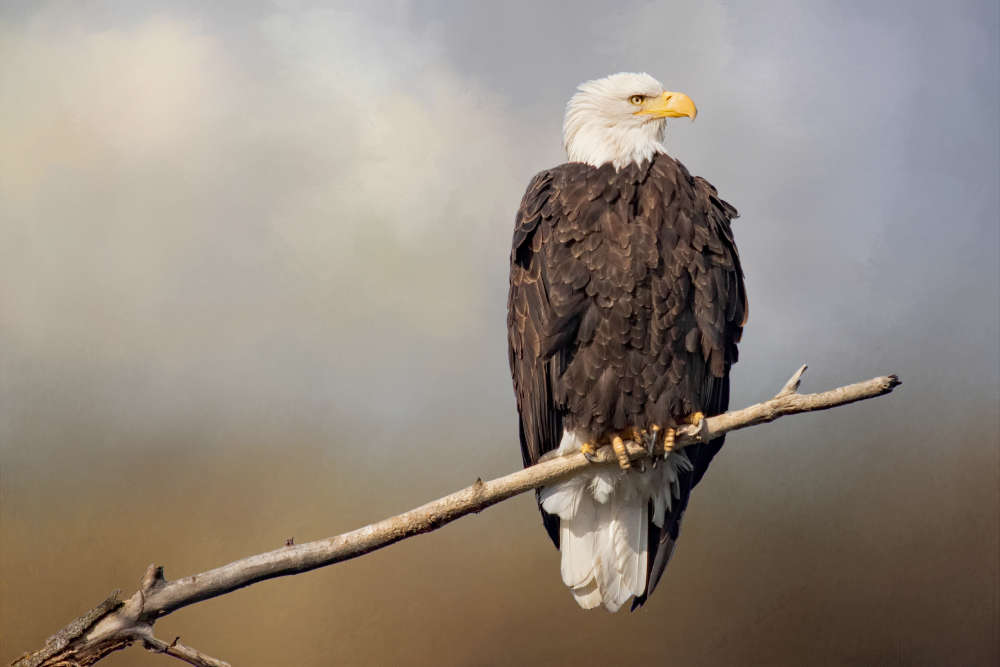
Due to concerted conservation efforts bald eagle population has rebounded to more than 300,000 in contiguous U.S. states, with around 70,000 nesting pairs.
The resurgence of bald eagles in the Connecticut River Valley is being hailed as a success story of wildlife restoration. Historical records indicate that this majestic bird was near extinction in the region by the 1930s, largely due to habitat destruction, hunting, and the harmful effects of DDT.
Bald eagles were designated as the national symbol in 1782, but their numbers dwindled drastically over the following century. Legislative measures began with the passing of the Bald Eagle Protection Act in 1940, which aimed to curb the killing and possession of these birds. However, the widespread application of DDT in the mid-20th century caused significant reproductive problems, leading to a historic low of just over 400 nesting pairs by the early 1960s.
The bald eagle was one of the first species to be listed under the Endangered Species Act in 1973, and due to concerted conservation efforts, its population has rebounded to more than 300,000 in contiguous U.S. states, with around 70,000 nesting pairs. The ban on DDT in 1972 played a crucial role in the eagle's recovery, alongside a strategic reintroduction program initiated by the Massachusetts Division of Fisheries and Wildlife in the early 1980s.
John Lowrey, a Brattleboro resident, has been documenting the activity of bald eagles for several years. He monitors multiple nests across the region, noting a rapid increase in nesting pairs in recent years. In 2025, eight out of the thirteen nests he observed contained two successfully fledged eaglets each, which marked a significant improvement from the previous year's single fledgling per nest.
The eagle population revival depends on factors such as the availability of suitable nesting sites, which require tall trees and abundant fish supplies. Conservationists have also implemented practical measures to protect nests from predators, including the installation of metal barriers to safeguard newly laid eggs and eaglets.
By 2023, reports indicated 32 nests along the Connecticut River between New Hampshire and Vermont. The years 2002 and 2008 witnessed increases in nest confirmations in Vermont and successful offspring respectively. Current nesting sites include areas near the Riverside Industrial Center and Retreat Meadows in Brattleboro, as well as locations along the West River in Townshend, demonstrating the expanding reach of these majestic birds.
Lowrey's fascination with eagles is rooted in a longer history, linked to his friend Tom Manning, who assisted in a volunteer program that relocated eagles in the 1980s. Alongside fellow birdwatcher Craig Mellish, who has extensive experience in natural documentation, they contribute valuable observations to wildlife agencies.
As the nesting season progresses, Lowrey anticipates sharing updates on the hatching success of eaglets and other local wildlife, reflecting a community deeply invested in the ecological health of the region and the story of the bald eagle's triumphant return.
 New Pentagon UFO Files Spotlight West Rindge Incident
 Keene downtown infrastructure project bids $2 million over budget
 Gordon-Darby Drops Lawsuit but Plans New Action Against New Hampshire over Vehicle Inspections
 FAA Employee Charged with Threat Against President Trump
 Future of Project Graduation in Keene Hangs in the Balance


Comments
Add a comment