
Now Reading: Vermont Bottle Bill Revisions Under Consideration Amid Redemption Center Shortages
-
01
Vermont Bottle Bill Revisions Under Consideration Amid Redemption Center Shortages
Vermont Bottle Bill Revisions Under Consideration Amid Redemption Center Shortages

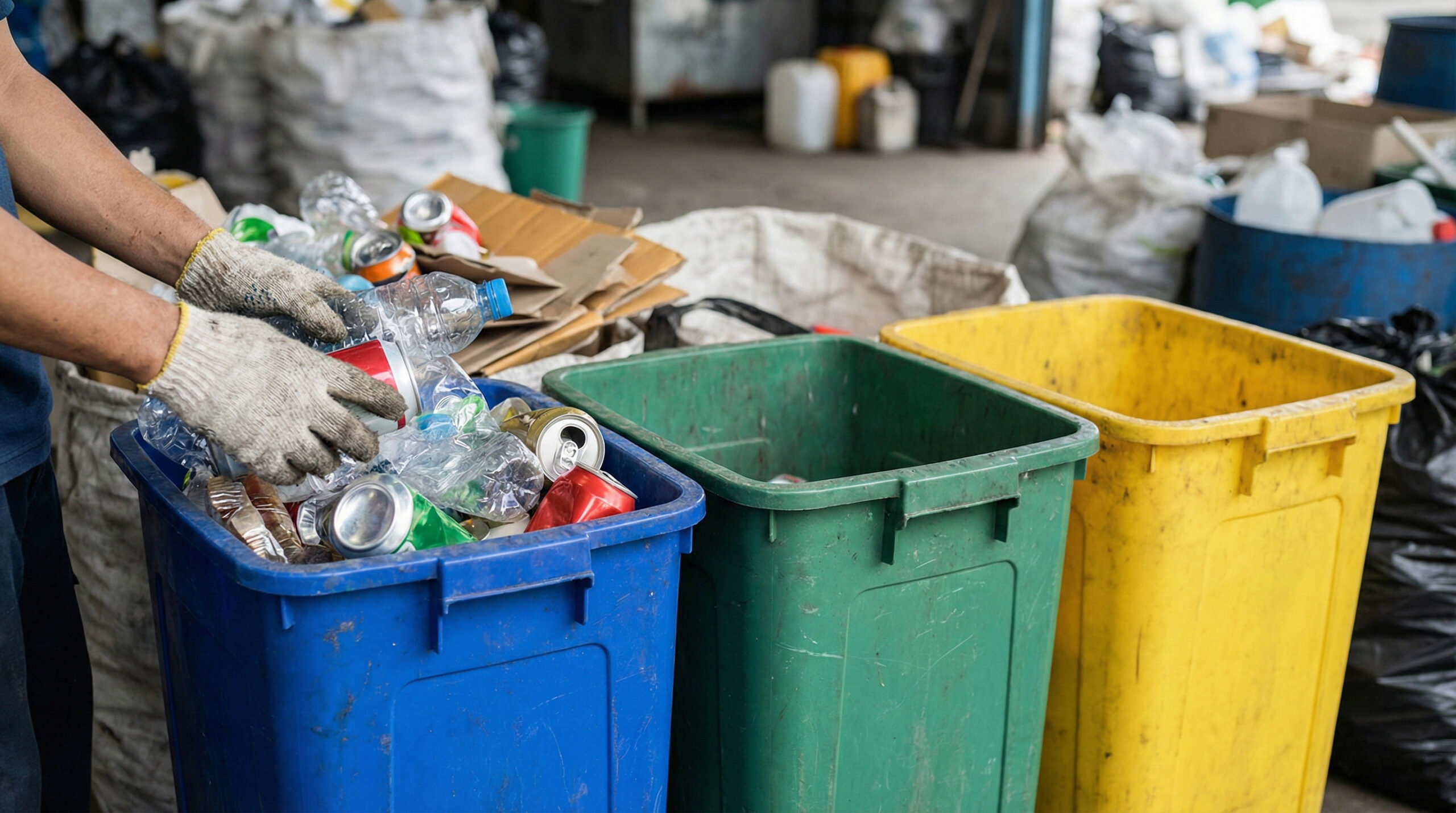
Questions regarding Vermont’s bottle bill have prompted discussions among state lawmakers about potential revisions to the current system. Residents have voiced concerns, particularly regarding difficulties in locating redemption centers to return empty beverage containers and reclaim deposits.
The existing legislation mandates that retailers must take back any beverage containers they sell, including beer and soda bottles, and also requires them to sort the bottles by brand. This can create challenges that have led some businesses to abandon the redemption process altogether. In Vermont, there are currently 123 certified redemption locations, yet residents in areas like the Champlain Islands often find it difficult to find accessible centers. For instance, one local has resorted to sending her daughter to deposit bottles in Burlington.
Redemption locations have decreased in number, as retailers like Keeler’s Bay Variety have opted only to accept liquor bottles due to the operational burdens associated with broader compliance. In contrast, Emmons Supermarket claims to be the sole redemption site on the islands that accepts all types of returns. The owner notes that their staff works extensively during the busy summer months to manage high volumes of returns.
Josh Kelly, who manages the Solid Waste Program for Vermont, highlights the challenges posed by the current bottle bill, which was initially established in the 1970s. He points out that the level of responsibility placed upon retailers could be overly demanding, resulting in poor compliance rates.
Historically, attempts to revamp the bottle bill have not gained traction, but this legislative session brings new data that may facilitate change. Kelly presented three proposed models for the bottle bill. The first model maintains the current system at a cost of $9.4 million, with a deposit of 5 cents per bottle. The second model would require retailers to accept all covered bottles, not just those they sell, alleviate the sorting responsibility, ensure a minimum of three redemption centers in every county, and mandate larger retailers to redeem bottles. This model could range in total costs from $9.2 million to $10.5 million, with per-bottle costs remaining similar to the first model.
The third model allows for a wider range of redeemable bottles, resulting in higher overall costs of $14 million but lowering the per-bottle deposit to 4 cents. Implementing the second and third models would provide funding for 47 new redemption centers in underserved areas, including the islands. Manufacturers and distributors would be tasked with covering the additional costs for these upgrades.
Vermont legislators are now in possession of the bottle bill report and may consider legislation aligning with the second model during this session.










Related Posts


Stay Informed With the Latest & Most Important News