Now Reading: Wildlife Conservation Initiative to Create Salamander Underpasses in Keene
-
01
Wildlife Conservation Initiative to Create Salamander Underpasses in Keene
Wildlife Conservation Initiative to Create Salamander Underpasses in Keene

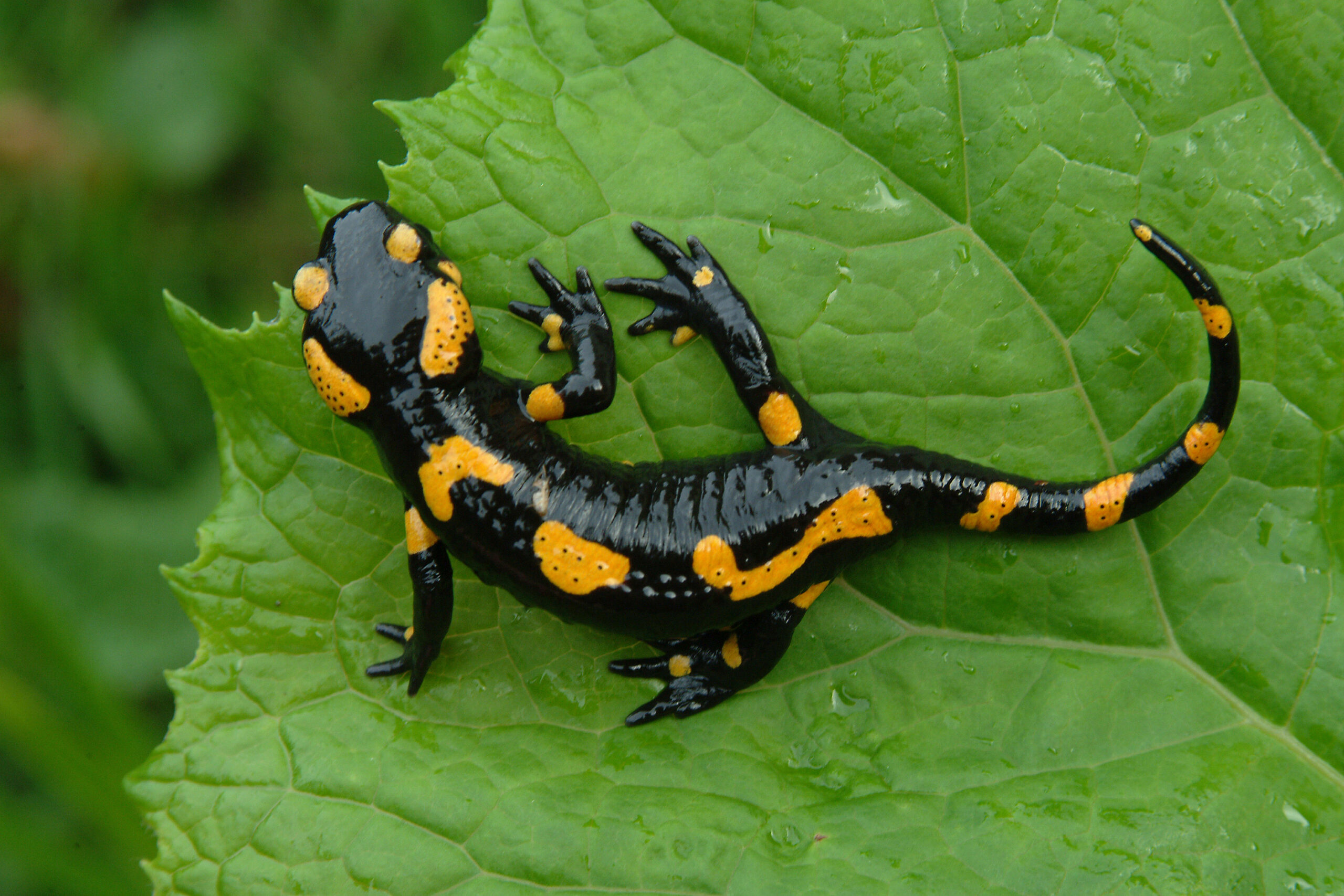
Keene has been chosen to participate in a pioneering conservation initiative in New Hampshire aimed at protecting endangered amphibians. The project, which includes the construction of specialized tunnels for wildlife beneath Jordan Road, has secured a $375,000 grant from the state. This initiative aims to safeguard local Jefferson salamanders, a species recognized for its vulnerability.
The Harris Center for Conservation Education, based in Hancock, has played a pivotal role in this effort, assisting with the grant application and collaborating with the city on the project. Known for its extensive documentation of local salamander populations over several decades, the group emphasized that this is a groundbreaking approach specifically aimed at facilitating amphibian movement under roadways.
At a recent city council meeting held on December 18, members voted 13 to 2 in favor of accepting the grant, which necessitates a local contribution of about $37,500. The city’s engineering department will manage the necessary permits, and volunteers from the Harris Center will participate in various project phases, including post-construction site monitoring.
The Jefferson salamander, identifiable by its brown or gray skin adorned with distinctive blue flecks, can grow to about seven inches. This species spends the majority of its life underground, emerging primarily during early spring for breeding. Classified as a species of special concern by the New Hampshire Fish and Game, the Jefferson salamander faces significant threats, especially along roadsides, where migration routes intersect with traffic.
Historically, spring migration has been perilous for these amphibians, with many crossing busy roads, leading to tragic fatalities. The area’s volunteers have been instrumental in documenting the local salamander population, particularly at the Jordan Road crossing, where significant amphibian activity has been noted.
Since 2018, the city and the Harris Center have collaborated to temporarily close sections of Jordan Road and North Lincoln Street, identified as critical crossing points each year. The initiative includes organized nighttime efforts, dubbed Big Nights, where volunteers collect data and physically escort salamanders across roads to minimize their chances of being struck by vehicles.
In 2025, monitoring efforts revealed a concerning statistic; out of 562 amphibians documented during 10 nights at Jordan Road, 55 were found dead. The city’s engineer mentioned that implementing the new underground tunnels would help eliminate the need for seasonal road closures that disrupt traffic and wildlife migration.
Scheduled to commence in late 2026 or early 2027, the project will create two to three grated passageways under Jordan Road, with additional curbing and guide walls planned to direct salamanders toward these underpasses. The aim is to prevent the need for road closures while still relying on available volunteer efforts to manage wildlife crossings.
Though the tunnels are expected to ease road traffic issues for salamanders, ongoing monitoring will remain vital. The Harris Center has highlighted the importance of conservation efforts, stating that widespread recognition of road mortality issues is crucial for the protection of species like the Jefferson salamander, which plays a key role in local ecosystems.
Continued data collection and volunteer involvement in monitoring will ensure that conservation measures remain effective. The city hopes these innovative solutions will enhance environmental safety for wildlife while fostering community engagement in conservation practices.










Related Posts



Stay Informed With the Latest & Most Important News
Previous Post
Next Post