
Now Reading: New Work Requirements Implemented for Vermont’s Food Assistance Program
-
01
New Work Requirements Implemented for Vermont’s Food Assistance Program

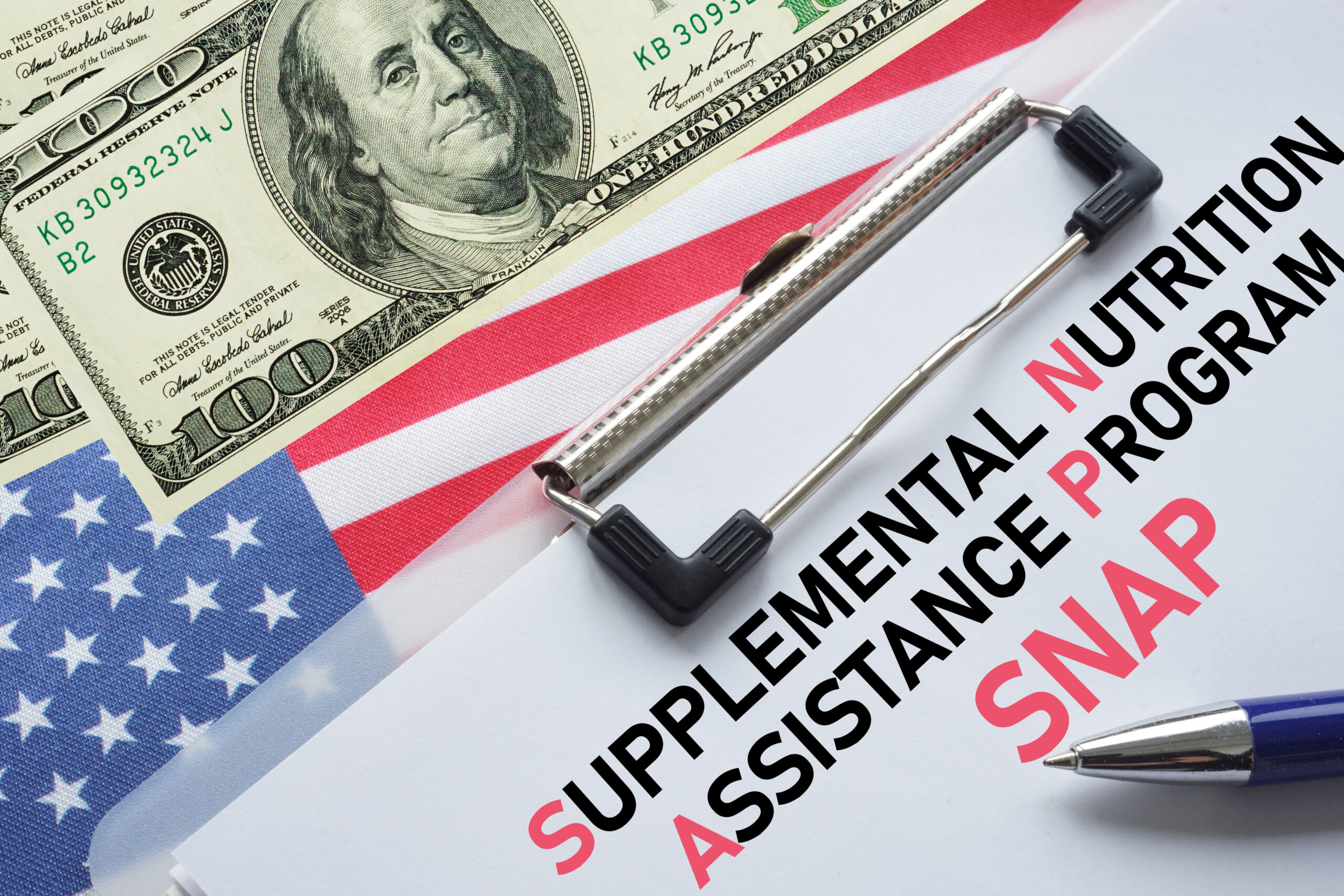
Recent adjustments to the 3SquaresVT program in Vermont, aimed at food assistance, have introduced new federal work mandates that may impact over 60,000 residents. This initiative, part of the One Big Beautiful Bill, stipulates that adults aged 18 to 64 who are deemed able-bodied must undertake a minimum of 80 work hours each month—whether through paid employment or volunteer activities—to retain SNAP benefits beyond the initial three-month period.
The revised guidelines also eliminate exemptions that previously protected certain groups from these work requirements, notably veterans, individuals experiencing homelessness, and young adults transitioning out of foster care. Those who are younger than 18 or older than 64 do not need to report their employment status.
Supporters of these changes, including members of Congress, argue that they are essential for reducing what they describe as wasteful spending associated with government programs. Conversely, advocates like Ivy Enoch from Hunger Free Vermont point out that these regulations could adversely affect individuals relying on food assistance, suggesting that the new reporting requirements may deter many from accessing necessary resources.
Enoch has highlighted that the complexities involved in reporting employment status have proven to be obstacles for many recipients, mentioning that some have faced lengthy hold times—up to four hours—when trying to communicate this information. To address these challenges, Hunger Free Vermont has announced its willingness to assist individuals who might have lost benefits due to the new stipulations.
Ava McMahon from Feeding Champlain Valley, a local food shelf, noted that assistance remains available for those affected. Individuals seeking help only need to provide basic personal details like their name, birth date, and housing situation, ensuring accessibility for community members regardless of their circumstances.
Community organizations have stepped up to support residents in understanding and navigating the new requirements, according to Mayumi Cornell, a food assistance recipient. She expressed appreciation for the local effort to fill gaps in information and aid those struggling to adapt to the modified regulations.










Related Posts



Stay Informed With the Latest & Most Important News
Previous Post
Next Post
Previous Post

Next Post