
Now Reading: New Hampshire Moves to Regulate Neonicotinoid Insecticides Amid Environmental Concerns
-
01
New Hampshire Moves to Regulate Neonicotinoid Insecticides Amid Environmental Concerns
New Hampshire Moves to Regulate Neonicotinoid Insecticides Amid Environmental Concerns

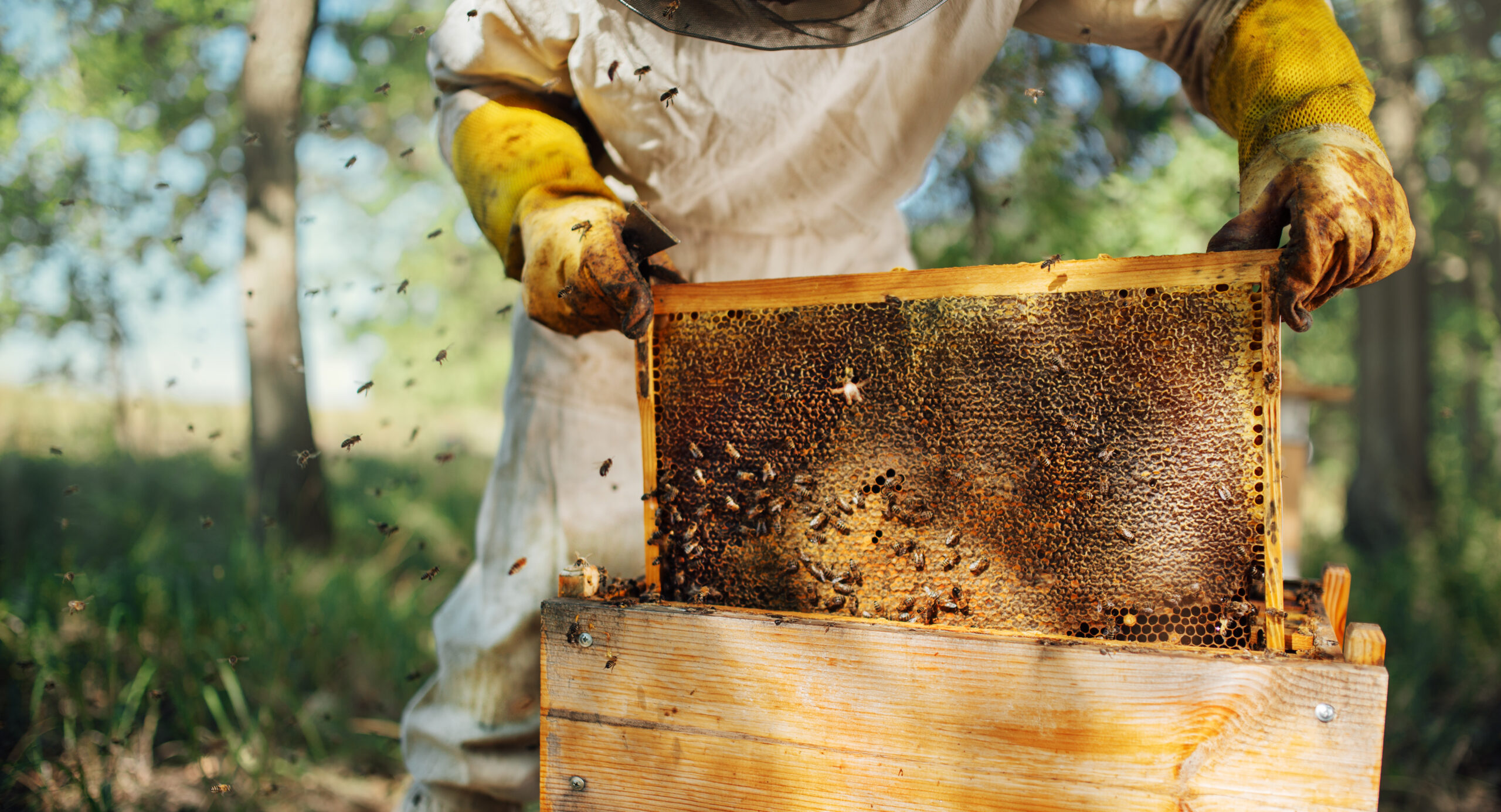
Legislation aiming to limit the use of neonicotinoid insecticides has gained traction during a recent hearing held by a New Hampshire House committee. These chemicals, commonly referred to as neonics, are associated with risks to endangered species, pollinators, and possibly human health. Under House Bill 1431, which is primarily authored by Representative John MacDonald from Wolfeboro, these insecticides would only be obtainable through licensed vendors for application by certified professionals.
Current regulations in New Hampshire allow retail stores to sell these widely used chemicals directly to the public, enabling individuals to treat their own lawns and gardens. This practice contrasts with restrictions that exist in neighboring states such as Maine, Vermont, and Massachusetts. MacDonald conveyed the urgency of addressing declining insect populations that are crucial for various sectors, including agriculture and tourism.
Support from farmers and environmental advocates highlighted fears regarding the impact of neonics on bee populations and other pollinators. In addition to HB 1431, MacDonald is also promoting House Bill 1086, which seeks to ban the sale of certain seeds that have undergone neonic treatment.
The National Toxicology Program has indicated that there are concerns about the effects of neonicotinoids on species beyond insects, including potential risks to human health. A recent report from the U.S. Environmental Protection Agency underscored neonics’ role in the decline of several endangered species.
During the committee meeting, strong backing was shown for the proposed legislation, with 305 individuals registering in favor of HB 1431, while only six opposed it, and two remained neutral. Committee member Rep. Nicholas Germana from Keene expressed general support for tighter regulations, noting that licensed applicators would be better equipped to manage usage levels responsibly, despite potential cost factors.
However, Robert Johnson, the policy director of the New Hampshire Farm Bureau, contended that neonicotinoids play a crucial role in pest management for crops in the state and asserted that the existing regulatory framework through the state’s Division of Pesticide Control is sufficient. Additionally, David Rousseau, head of the Division, stated that while the division is neutral regarding the bills, it recognizes the intent to impose stricter regulations. Rousseau emphasized that the Pesticide Control Board has the authority to limit neonic use but has not taken action based on current EPA guidelines.
In 2020, the EPA recommended some restrictions on neonics, though final decisions on those recommendations have yet to be made.










Related Posts



Stay Informed With the Latest & Most Important News
Previous Post
Next Post