
Now Reading: Local Communities Push for Protection of Lake Memphremagog from Coventry Landfill Waste
-
01
Local Communities Push for Protection of Lake Memphremagog from Coventry Landfill Waste
Local Communities Push for Protection of Lake Memphremagog from Coventry Landfill Waste

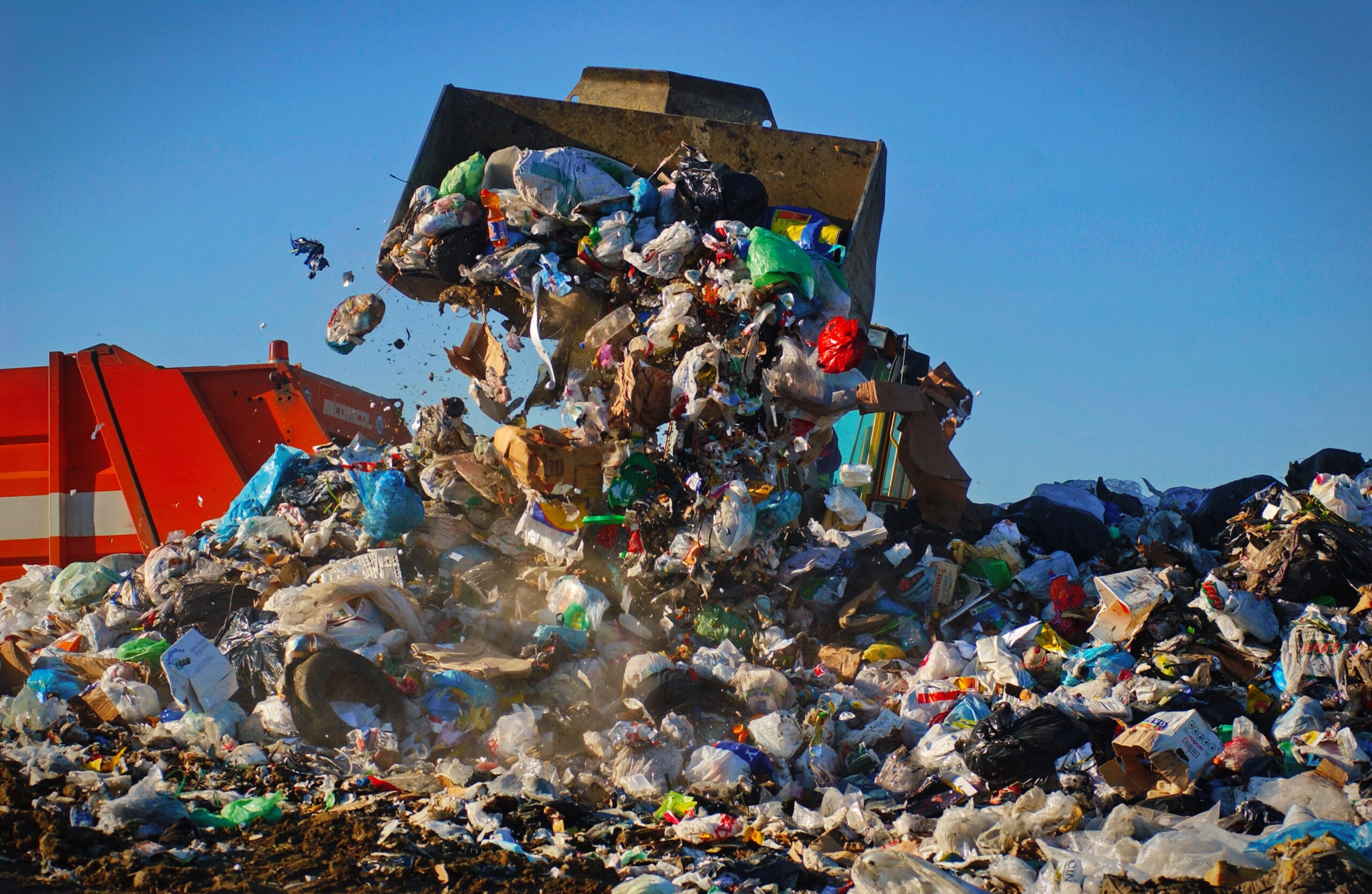
Residents of the Northeast Kingdom are advocating for legislative measures to safeguard Lake Memphremagog from contamination linked to Vermont’s only landfill located in Coventry. Identified as H.652, the proposed bill aims to prevent any waste discharge from the landfill or similar sites into the lake, which is located along the border with Quebec, Canada.
Locals have long expressed fears that the landfill is polluting their waterways with substances known as PFAS, a series of man-made chemicals commonly utilized in items such as waterproof materials and firefighting foams. The legislation specifically targets leachate—liquid that filters through waste—which the community believes poses a significant threat to the watershed.
The Coventry landfill accepts roughly 14,000 tons of waste weekly, leading to concerns about the potential environmental impacts. Lawmakers representing the region assert that while they are not seeking to elevate their watershed above others in Vermont, it is essential to protect local interests, citing the importance of Lake Memphremagog to the area’s tourism-driven economy.
Historically, leachate was sent to Newport’s wastewater treatment facility, but a state-imposed moratorium halted this method while permitting an expansion of the landfill, which now covers nearly 130 acres. The moratorium is expected to end soon, pushing the urgency of the bill.
Casella Waste Systems, which operates the landfill, has invested over $6 million in new technology since 2023 to treat leachate for PFAS contaminants. The system aerates leachate to concentrate PFAS for removal, while the treated water is transported outside the county. However, concerns remain regarding the overall efficacy of this approach and its sufficiency in ensuring safety for local residents.
The bill serves as a response to mounting evidence and community testimony regarding PFAS levels. A report from 2021 reported PFAS concentrations in the lake that were alarming to some local advocates. Additionally, another study linked landfill pollution to health issues in local fish populations, raising fears about contamination.
While agency officials have indicated that current data do not indicate a direct link between landfill activities and PFAS presence in the lake, dissenting voices argue that previous studies and the realities of water systems necessitate vigilance and accountability.
Legislators are responding to the community’s concerns about landfill waste and its potential hazards, aiming not just to protect their local lake but to address a broader, systemic issue of industrial pollution across the state.










Related Posts


Stay Informed With the Latest & Most Important News
Previous Post
Next Post