Now Reading: Economic Pressures Remain Despite Growth in Workforce Housing Options in Brattleboro
-
01
Economic Pressures Remain Despite Growth in Workforce Housing Options in Brattleboro
Economic Pressures Remain Despite Growth in Workforce Housing Options in Brattleboro

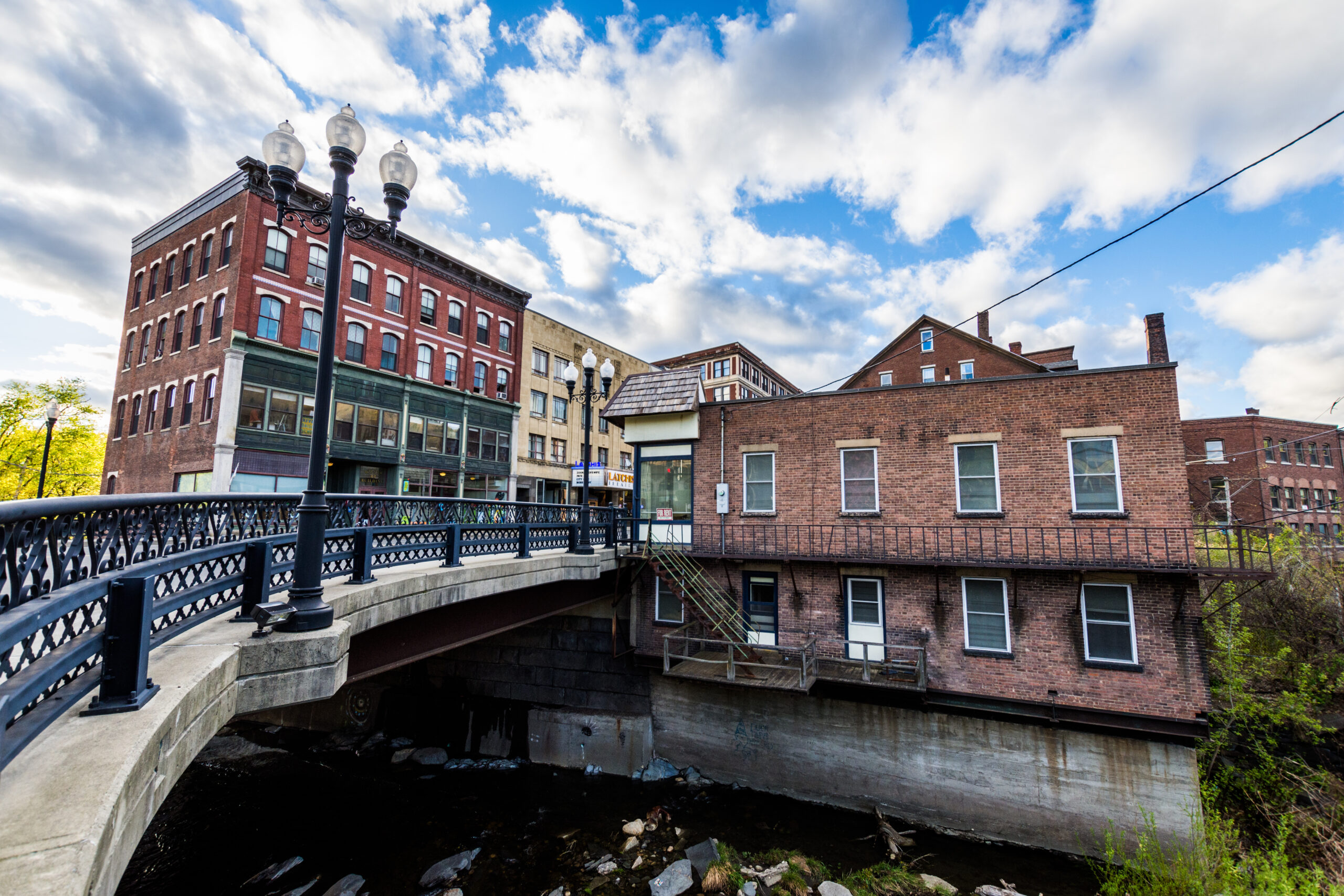
Brattleboro has witnessed a slight increase in the availability of rental units designated for workforce housing. Susan Belville, the proprietor of Belville Realty, has observed an easing in the inventory of these units, alongside landlords adjusting rent prices to attract prospective tenants. Despite these trends, there remains a lack of applicants for certain units, particularly a one-bedroom apartment that has been on the market for two months without interest.
Belville’s search through Zillow revealed a surprising number of 29 workforce housing apartments available in Brattleboro, with rents ranging from $1,200 to $1,800 monthly. Additionally, she noted that some units from the Windham & Windsor Housing Trust (WWHT) are unfilled, as they are not reserved for voucher programs but do adhere to income requirements. She indicated that Facebook Marketplace is another platform where listings can be found, suggesting a surplus of housing options.
Elizabeth Bridgewater, WWHT’s Executive Director, acknowledged a consistent demand for rental properties but pointed out that this season tends to see a slowdown in moving activity. The organization has adjusted its approach to filling vacancies by replacing the previous waitlist system with a notification list, which has proven more efficient.
The economic landscape in Brattleboro is challenging, as exemplified by landlords waiting for ideal tenants or dealing with rising eviction rates due to nonpayment. Sally Fegley, co-owner of Windham Property Management, commented on the softer rental market, noting that it has become harder to find qualified applicants who can meet rental demands.
Within this context, Belville highlighted the concern that the area may not be attracting new residents, attributing this to a lack of job opportunities that can support the incoming workforce. Many available jobs do not offer full-time hours or benefits, and while better-paying roles exist for highly skilled workers, the overall cost of living impacts applicant interest.
While applicant numbers have dwindled compared to previous years, Brattleboro has experienced a significant rise in housing permits, the highest since 1988. Brian Bannon, the town’s Zoning Administrator, detailed that the local government is promoting projects converting commercial spaces into residential units, although some initiatives are delayed due to uncertainty surrounding material costs.
Local officials and experts emphasize the need for an increase in diverse housing options across Vermont. Libby Bennett, Executive Director of Groundworks Collaborative, noted that despite the uptick in available housing, affordability remains out of reach for many residents. This challenge has been compounded by rising rents that have far outpaced wage growth in recent years.
The recent State of Working Vermont report underscores the financial strain on many Vermonters, revealing that minimum wage earners will struggle to afford standard housing in the coming years. Vermont’s workforce is still below pre-pandemic levels, with reports indicating a significant gap in job recovery.
As the Vermont Futures Project advocates for strategies to increase the working-age population, it stresses that attracting professionals from other states, alongside efforts to boost local workforce participation, is essential for long-term economic health.










Related Posts



Stay Informed With the Latest & Most Important News
Previous Post
Next Post