Now Reading: Contaminants Discovered in Loon Eggs from New Hampshire Lakes
-
01
Contaminants Discovered in Loon Eggs from New Hampshire Lakes

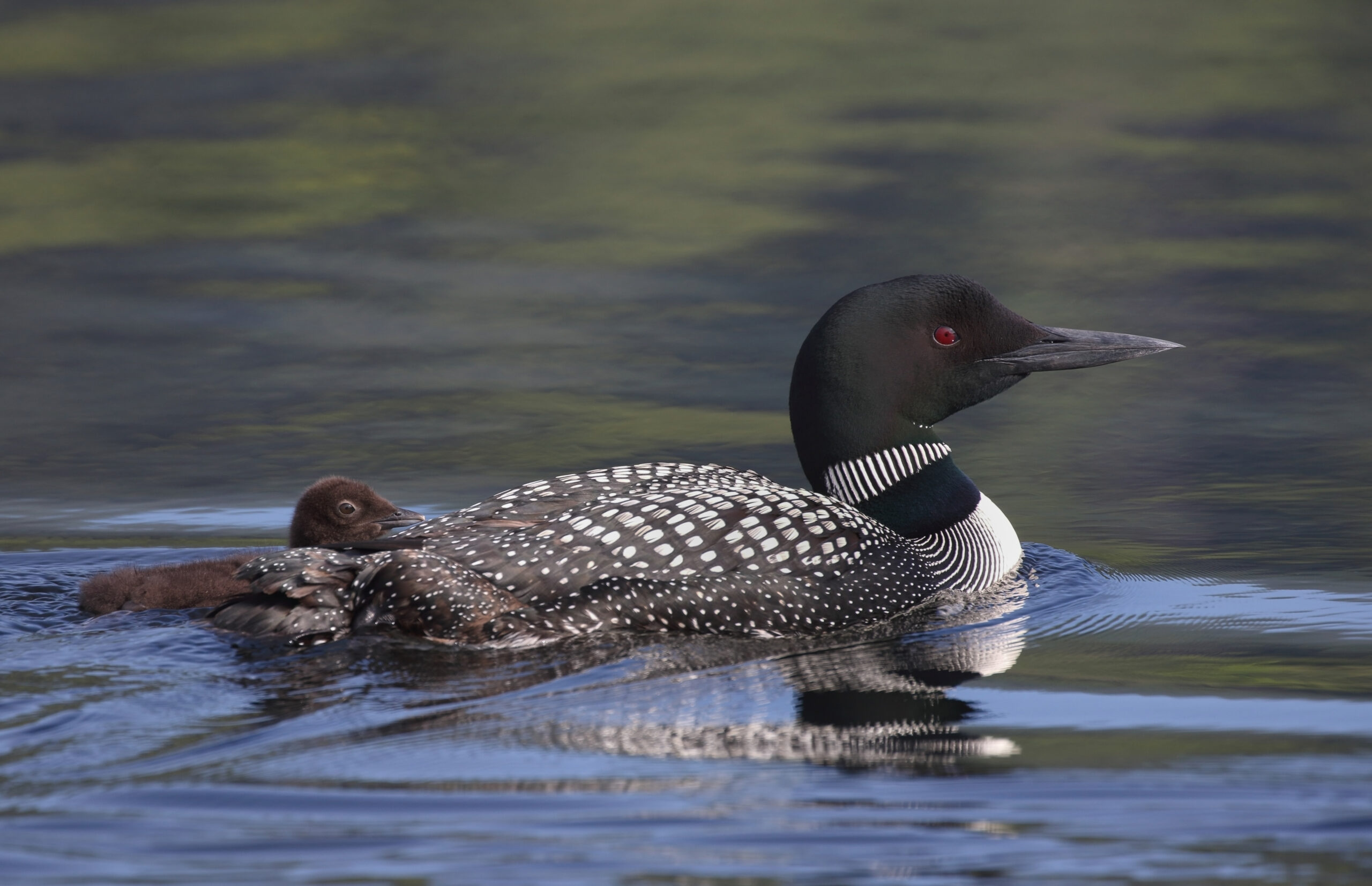
Recent analysis of loon eggs from various lakes and ponds across New Hampshire has revealed concerning levels of toxic substances, including polychlorinated biphenyls (PCBs) and dioxin-like compounds. A notable case involved an egg from Pool Pond in Rindge, which, along with specimens from Province Lake in Effingham, showed particularly high concentrations of these contaminants.
The Loon Preservation Committee detailed their findings in a press statement, explaining that the analysis focused on unhatched eggs collected from common loons, a species listed as threatened in the state. To date, the committee has gathered data from 121 eggs spanning 47 lakes.
The analysis revealed that a specific egg from Pool Pond contained PCB levels significantly beyond those typically found in other bird species, exceeding them by a considerable margin. The dioxin-like compound levels from this egg were more than five times higher than those sampled from various other birds. While these results are based on just one egg, they underline the importance of conducting further testing on both loon eggs and fish in the vicinity.
According to Ted Diers, who oversees the water division at the N.H. Department of Environmental Services, the ongoing research conducted by the Loon Preservation Committee plays a crucial role in understanding how pollutants interact within aquatic systems. He emphasized that the presence of such industrial contaminants in loon eggs is a clear indication of the accumulation of toxins in top-level predators as they connect with their ecosystems. The department is dedicated to monitoring and enforcing regulations to curb water contamination.
Earlier tests of two same-species eggs collected from Province Lake—one retrieved in 2016 and another in 2023—also showed concerning levels of the same contaminants. The PCB concentrations in the eggs from Province Lake were strikingly high, with the 2023 egg measuring 58,500 parts per billion, starkly contrasting with the statewide average of 1,934 parts per billion. The levels from this recent egg were reminiscent of the peak PCB contamination seen in the 1970s, and those of dioxin-like compounds and chlordane were the most extreme recorded by the committee.
It should also be noted that fish populations in both Pool Pond and Province Lake have yet to undergo testing for these identified pollutants, raising further concerns about environmental health in these ecosystems.
The Loon Preservation Committee continues to advocate for the protection of loons while aiming to rejuvenate their populations in New Hampshire. Their work involves evaluating the health of loons as indicators of broader environmental conditions and enhancing public awareness about loons and their habitats. More details about their initiatives can be found on their website.










Related Posts



Stay Informed With the Latest & Most Important News
Previous Post
Next Post