
Now Reading: Nurses at Brattleboro Memorial Hospital threaten strike amid contract negotiations and financial difficulties
-
01
Nurses at Brattleboro Memorial Hospital threaten strike amid contract negotiations and financial difficulties
Nurses at Brattleboro Memorial Hospital threaten strike amid contract negotiations and financial difficulties

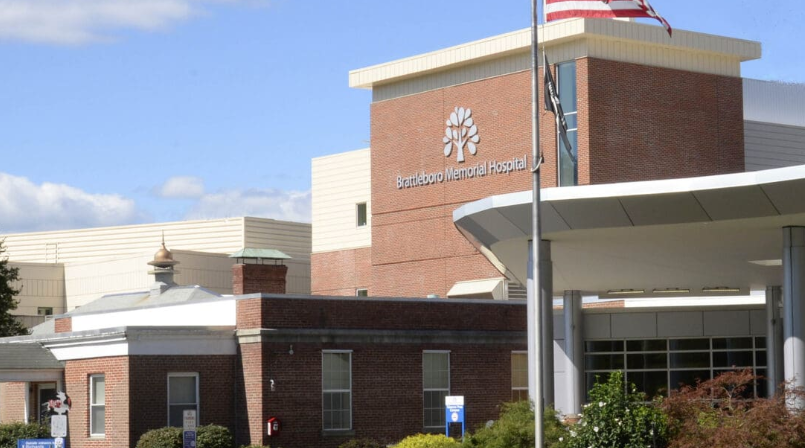
The Brattleboro Federation of Nurses has announced plans to hold a strike vote following alleged unfair labor practices during ongoing contract negotiations with management at Brattleboro Memorial Hospital. Concerns have been raised regarding proposals described as significantly detrimental to both patient care and the future of healthcare services in the community.
Currently, about 160 registered nurses and licensed practical nurses are represented by the Brattleboro Federation of Nurses. In a recent change in negotiations, hospital management revised its offer of an 11 percent wage increase over three years to a proposal that includes no wage hikes and setbacks in employee benefits, raising alarms about the potential impact on staff retention and patient care.
Union representatives argue that such cuts could lead to existing nurses leaving the profession, complicate efforts to recruit new talent, and ultimately reduce access to quality healthcare for residents. The union has expressed dismay that they were left with no alternative but to contemplate a strike, noting that this situation is critical not only for the nursing staff but also for the overall health of the local community.
Hospital officials, facing a projected budget shortfall of approximately $14.5 million for the fiscal year, acknowledge the challenges involved in maintaining financial sustainability. They have indicated a commitment to negotiating in good faith with the union, hoping to find common ground that ensures both employee welfare and the hospital’s viability.
As leaders assess the financial situation, the union has remained hopeful about reaching an agreement without resorting to a strike. Negotiations are still ongoing, with no set date for a union vote. Health officials emphasize the necessity of making hard financial choices to ensure the long-term operational health of Brattleboro Memorial Hospital.
Prior to these negotiations, the hospital paused discussions last fall as it sought to address regulatory concerns regarding its financial outlook and navigated leadership changes. Current leadership has identified the need for mediation in light of the delicate financial landscape, stating that adjustments are crucial for aligning with regional market standards while prioritizing patient care.










Related Posts



Stay Informed With the Latest & Most Important News
Previous Post
Next Post