
Now Reading: Monadnock Region Struggles with Workforce Housing Development
-
01
Monadnock Region Struggles with Workforce Housing Development

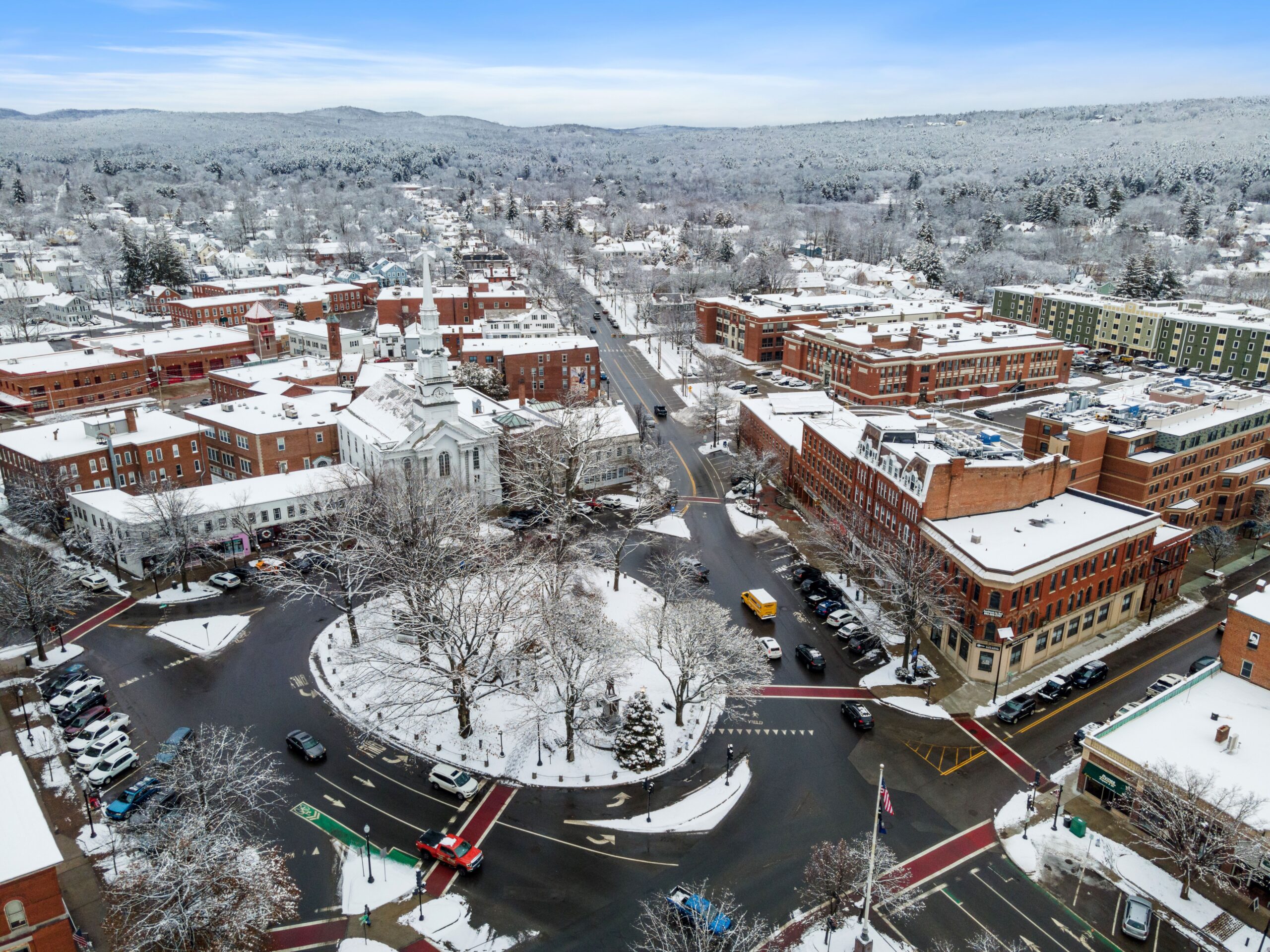
The InvestNH Capital Grant Program, designed to enhance workforce housing availability in the Monadnock Region, has not succeeded in delivering new habitable units nearly 18 months after the completion timeline for supported projects had passed. This initiative, which is backed by the American Rescue Plan Act, allocated approximately $4.3 million among three projects located in Antrim, Keene, and Troy.
Despite a critical need for affordable housing in the region due to a low vacancy rate and soaring median rents, progress has been slow. The definition of workforce housing, as outlined in the program, applies to housing affordable for individuals earning up to 80 percent of the area median income. The state-wide rollout of the program in 2022 resulted in almost $50 million being funded, facilitating the creation of 1,142 housing units across New Hampshire, including 798 that are designated as affordable.
Comparatively, urban areas such as Manchester, Nashua, Concord, and Dover have seen rapid developments aimed at mitigating the ongoing housing crisis, while the Monadnock Region has not experienced similar success. Complexity in rural housing projects, often exacerbated by the need to redevelop old industrial sites, has contributed to delays, according to local analysts.
A report from the New Hampshire Coalition to End Homelessness has highlighted a persistent vacancy rate below 2 percent for two-bedroom units over the past few years in the state. To meet current housing demands, an additional 23,500 units are necessary, with projections indicating the need for about 90,000 units by the year 2040. This underscores the need for creating suitable infrastructure, which can often be lacking in rural areas compared to urban developments, according to Cody Morrison, the executive director of the Monadnock Economic Development Corporation.
In Keene, plans are underway to transform an old paintbrush factory at 310 Marlboro St. into 57 housing units, with 15 of those being affordable. Approximately $3 million has been allocated for this project, which is part of a mixed-use development housing various businesses, yet it has yet to meet its residential occupancy goals. Delays attributed to unforeseen subsurface conditions and complications in securing a contractor have necessitated extensions to retain grant funding. The project manager expressed optimism that the residential component would be available for tenants by early summer.
Another initiative, the Antrim Commons project, withdrew from the program by October 2024, determining that the economic outlook for providing 35 units of workforce housing at the site was not viable. This led to the return of around $360,000 in grant funding to the state, which has since been reallocated to an out-of-region project. Such complexities in project implementation are common, regardless of location. Morrison noted that while the InvestNH initiative holds significant potential for transforming rural areas, the delays experienced in the Monadnock Region might largely stem from the inherent challenges linked to redevelopments. A shift in focus has occurred, as developers confront hurdles in securing enough initial equity for financing, making cash grants from the government more essential than previously thought.










Related Posts



Stay Informed With the Latest & Most Important News
Previous Post
Next Post