Now Reading: Former Montpelier Teen Center to Serve as Emergency Winter Shelter If/When Temperatures Fall Below 10º
-
01
Former Montpelier Teen Center to Serve as Emergency Winter Shelter If/When Temperatures Fall Below 10º
Former Montpelier Teen Center to Serve as Emergency Winter Shelter If/When Temperatures Fall Below 10º

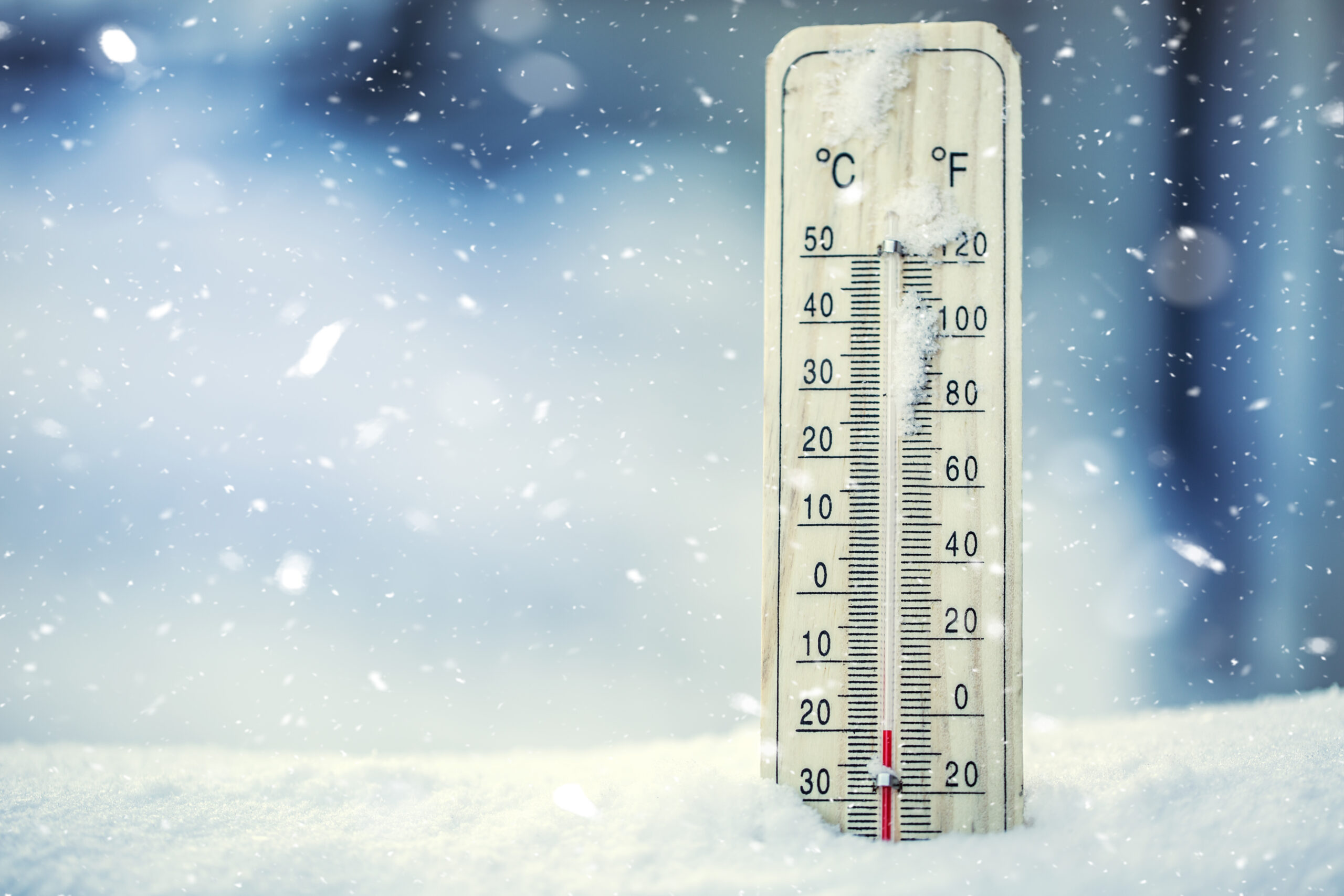
Following several nights of frigid weather and the tragic death of a man who had been outdoors in extreme cold in Barre, Montpelier is preparing to provide a warm refuge for the homeless when temperatures drop beneath 10 degrees. The Montpelier City Council unanimously agreed on December 10 to allocate up to $20,000 for minor renovations to the basement of city hall, enabling it to function as a severe weather emergency shelter during this winter season.
This emergency shelter will open only when temperatures hit 10 degrees or lower and will not be accessible every night. The newly established Montpelier Emergency Cold Weather Shelter (Montpelier Cold), a registered nonprofit in Vermont, requested to use the city hall space. The organization, which has been formed by local churches that previously offered shelter, will manage the facility, including providing 15 beds for those in need.
The board of Montpelier Cold, composed entirely of local residents, emphasized that it is essential for the city government to prioritize the safety and welfare of all residents, particularly the vulnerable without shelter on the coldest nights. They reported that they had already provided shelter for 11 individuals, citing a pregnant woman, a man with chronic health issues, another woman needing mobility assistance, and a veteran who had suffered frostbite in the past. They also noted the existence of fatalities among those forced to endure the harsh weather outside.
In their communication, the organization highlighted that during the winter of 2023/24, local churches had already offered shelter for 14 nights, whereas the previous winters extreme conditions necessitated 45 nights of operation. Montpelier Cold also requested the city to assist with an insurance rider and appoint a staff representative for the shelter.
Nancy Reid, the treasurer of Montpelier Cold and board president of The Bridge, underscored the complication caused by the closure of the nightly emergency shelter that had been housed in the former Elks Club location, which is absent this winter. She pointed out that although the Unitarian Church of Montpelier has stepped in to provide interim shelter, it does not replace the capacity of the previous shelter that could accommodate up to 25 people.
According to information from VTDigger, the Vermont Department for Children and Families has initiated a new Extreme Cold Weather Shelter Program in collaboration with Vermont Interfaith Action, aimed at assisting individuals facing homelessness during severe cold spells. This program, running from December 1 to April 1 at temperatures of minus 10 degrees or lower, includes locations in various towns, including Montpelier.
Reid explained that a grant from Vermont Interfaith Action was initially intended to cover operations only for nights when temperatures plummeted to minus 10 degrees, but adjustments were negotiated to raise that threshold to zero degrees. Nonetheless, she expressed that the organization would operate the shelter when temperatures fall to 10 degrees, even if they are only funded for those colder nights.
Chris Lumbra, the Sustainability and Facilities Coordinator, mentioned that there were concerns regarding the suitability of the city hall basement for shelter use due to past negative feedback and necessary clean-up efforts. Some repairs would be required, with costs estimated to be in the tens of thousands.
Murphy pointed out that the police station remains open around the clock and could serve as a refuge in critical situations. Reverend Beth Ann Maier and others stressed the urgency of preparing the shelter quickly. Following considerable discussion, the city council voted to begin making the basement of city hall suitable for emergency shelter use and authorized up to $20,000 for the necessary improvements.
In Barre, an extreme cold weather shelter can be found at the Barre Congregational Church located at 35 Church Street. On December 9, Dan Barlow, executive director of the Peoples Health and Wellness Clinic in Barre, recounted the harrowing experience of a woman who sought help after spending a night in her vehicle in minus 14 degree weather and arrived at the clinic visibly suffering from the cold. Medical staff were able to assist her, but she was unaware of the shelter nearby. This incident coincided with the discovery of Richard Govea, 51, who was found deceased after sleeping outside.
Barlow concluded his account by appealing to the community for any assistance or resources available for the homeless, stressing the importance of kindness and connection in potentially saving lives during harsh conditions.










Related Posts



Stay Informed With the Latest & Most Important News
Previous Post
Next Post